The Problem
Kansas City’s urban core doesn’t need more housing conversation. It needs housing that pencils.
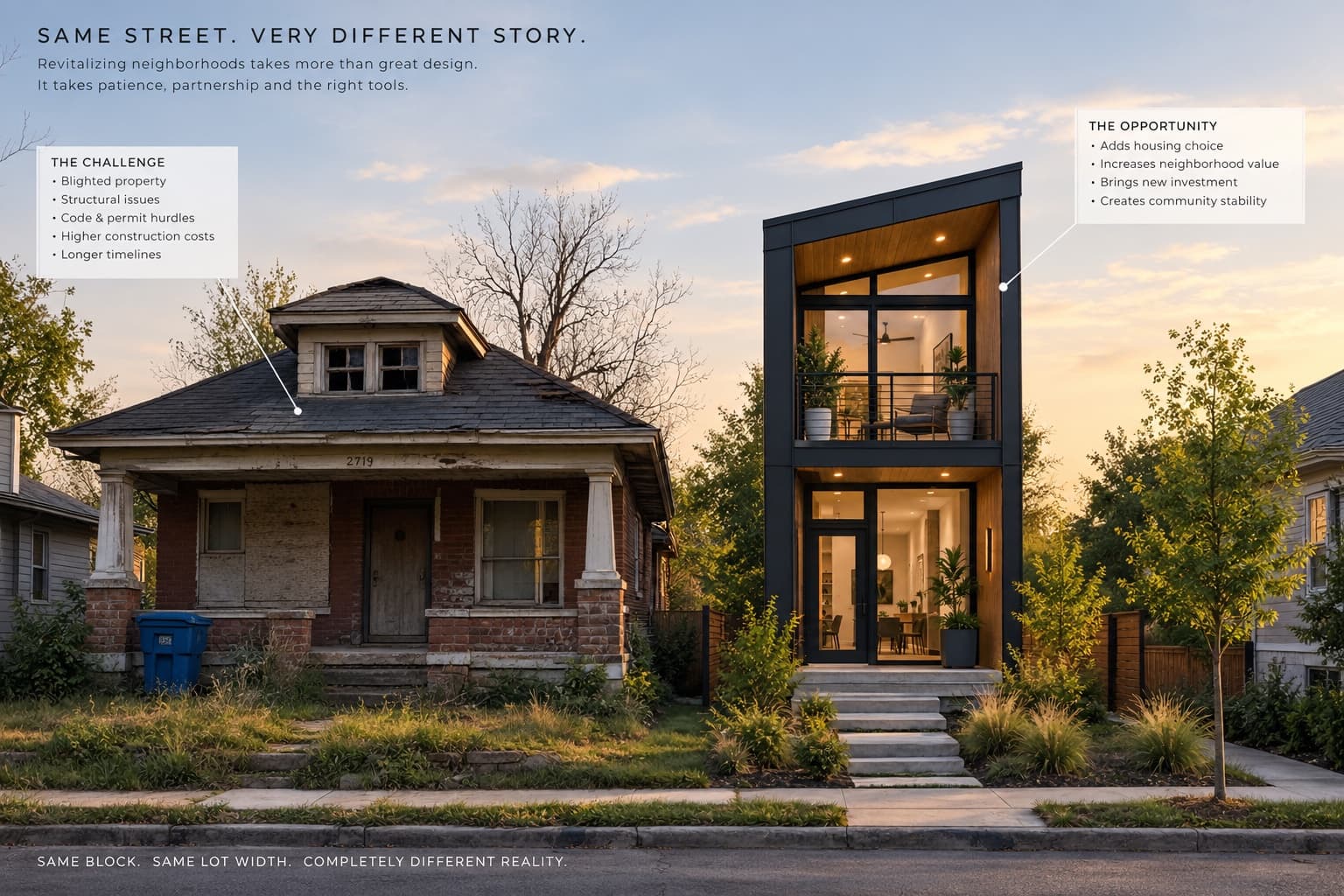
Across Kansas City’s urban core, vacant lots and aging housing stock sit block after block — not because no one wants to build there, but because the numbers rarely work. Land in these neighborhoods often can’t support the cost of conventional, site-built construction at a price residents can actually afford.
The result is a persistent gap: buildable land without buildable economics. Developers pass. Lots stay vacant. Neighborhoods that have waited decades for reinvestment keep waiting.
Demand alone cannot close that gap. Lowering production costs is essential, but it is one part of a broader system that has to work for a home to get built.
Persistent, block by block
Vacant urban-core lots
Aging, costly to rehab
Housing stock
Land needs vs. what it can support
Cost gap
A chain, not a single gap
Why the Missing Middle Doesn’t Get Built
Missing-middle housing — duplexes, townhomes, and small multifamily buildings — depends on more than a workable construction budget. Five linked conditions have to hold. A failure at any one can stall the whole project, and progress on the others cannot simply make up for it. These are connected responsibilities that need to move in parallel, not a checklist one organization can complete alone.

Land & Title
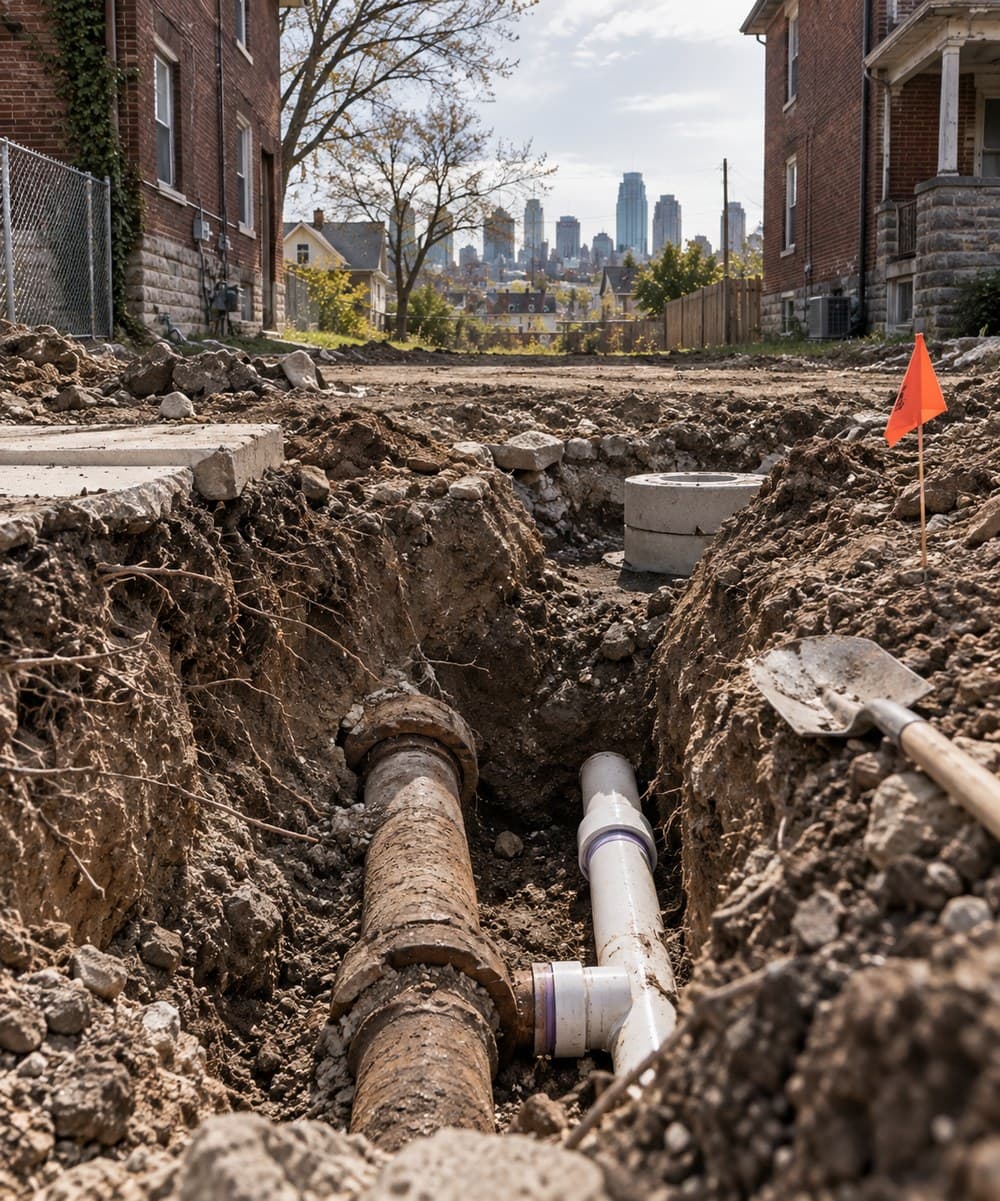
Vacant and distressed urban-core parcels can carry unclear title, tax liens, or fragmented ownership. Resolving those issues is a prerequisite to building, even when a site looks ready from the street.
Entitlements & Permitting
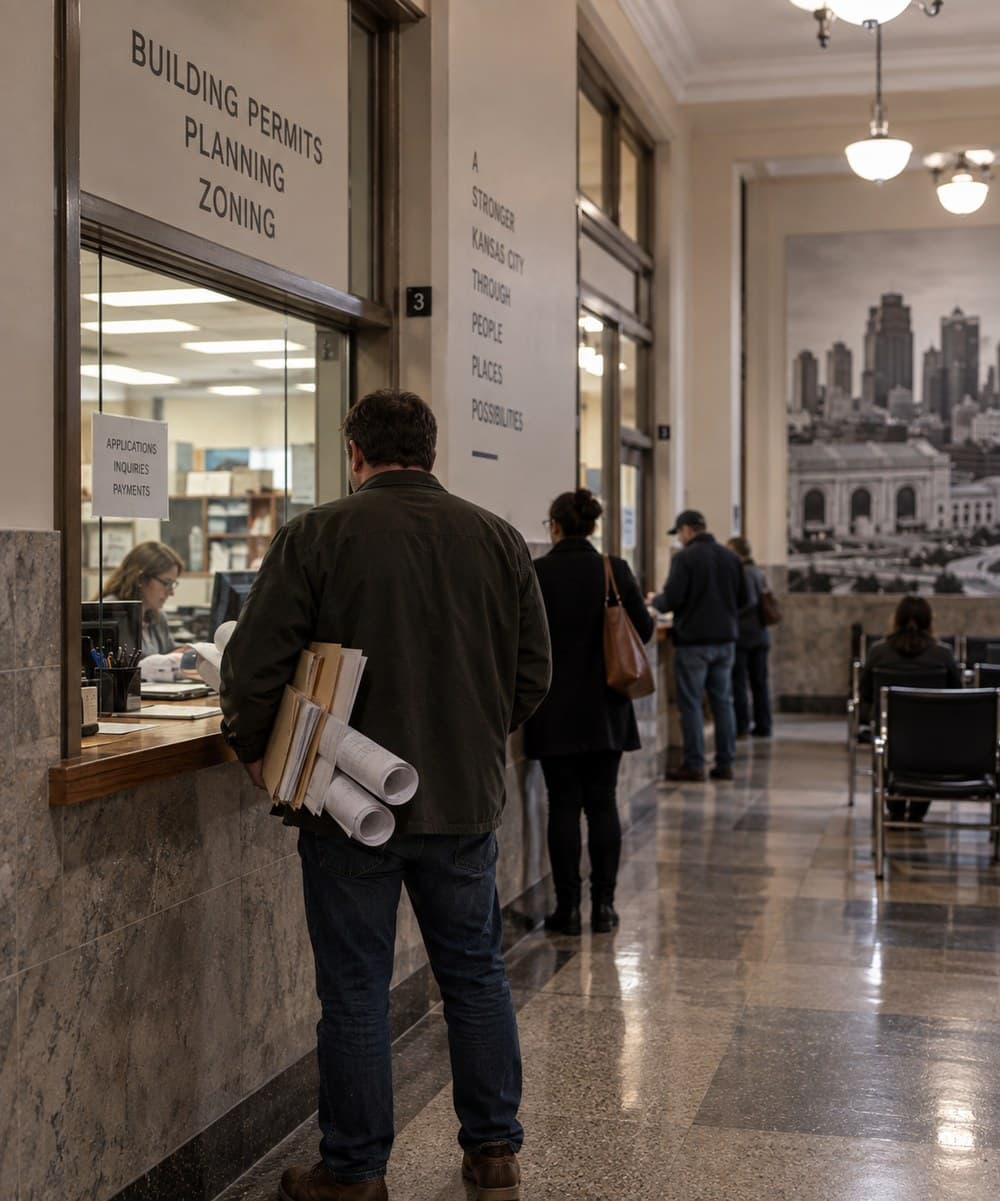
Zoning, platting, and city review processes built around conventional single-family, site-built assumptions can create friction for infill and modular approaches. A viable design still needs a clear path through approvals before construction can proceed.
Financing & Capital Stack
Mission-aligned financing and ownership tools can help, but each serves a different role. Low-Income Housing Tax Credits (LIHTC), New Markets Tax Credits (NMTC), community land trusts (CLTs), and community development financial institution (CDFI) lending have distinct requirements and are not interchangeable. Assembling the right mix is complex, while conventional lenders may struggle to underwrite infill or modular projects using the assumptions they apply to standard subdivisions.
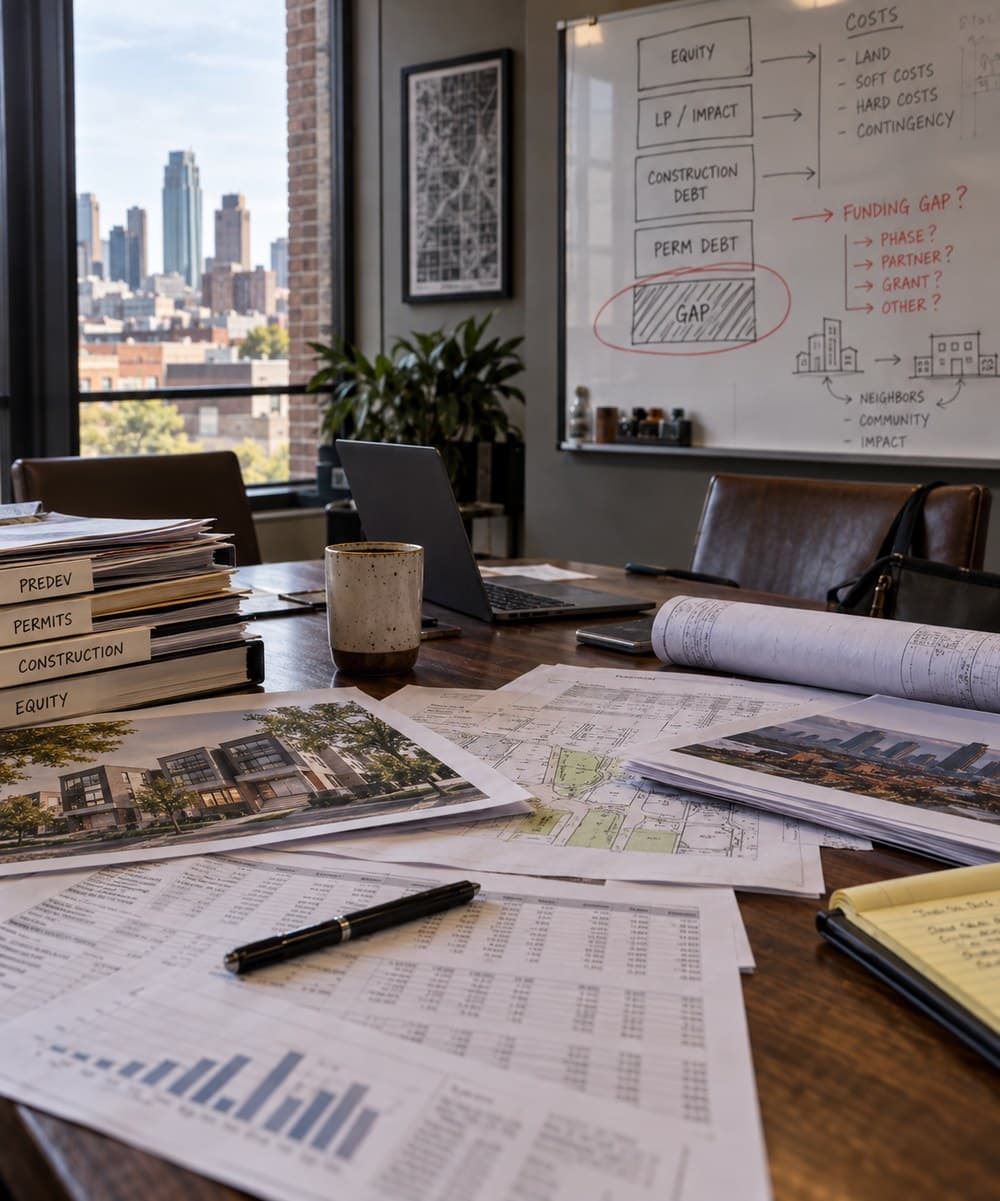

Construction Cost & Capacity
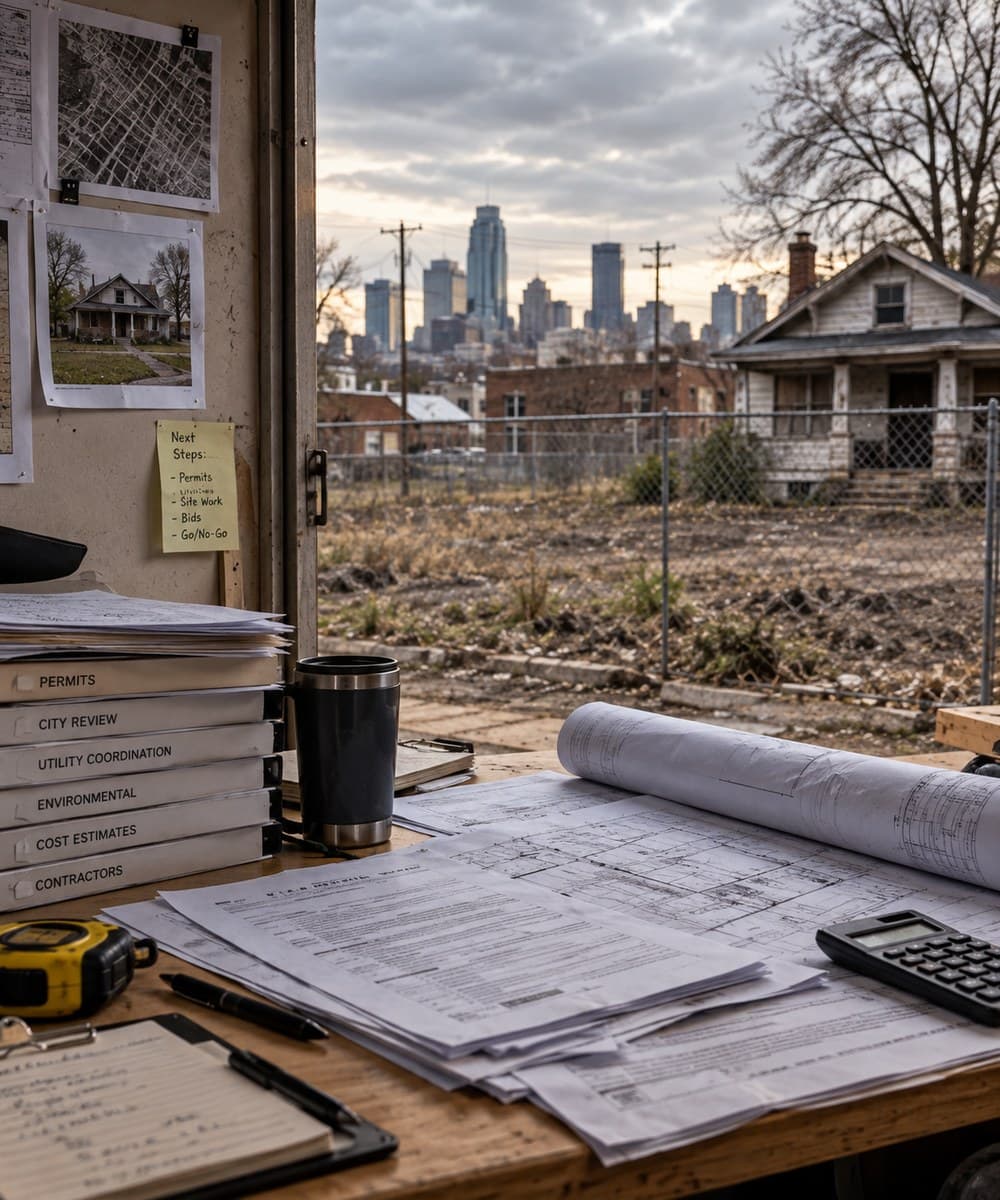
Even when land, approvals, and financing line up, projects still need builders, workers, and dependable production capacity. The region needs more capacity across construction methods to deliver attainable homes at the volume needed. A project that pencils on paper can still stall without the capacity to build it.

Community Trust & Local Builder Capacity
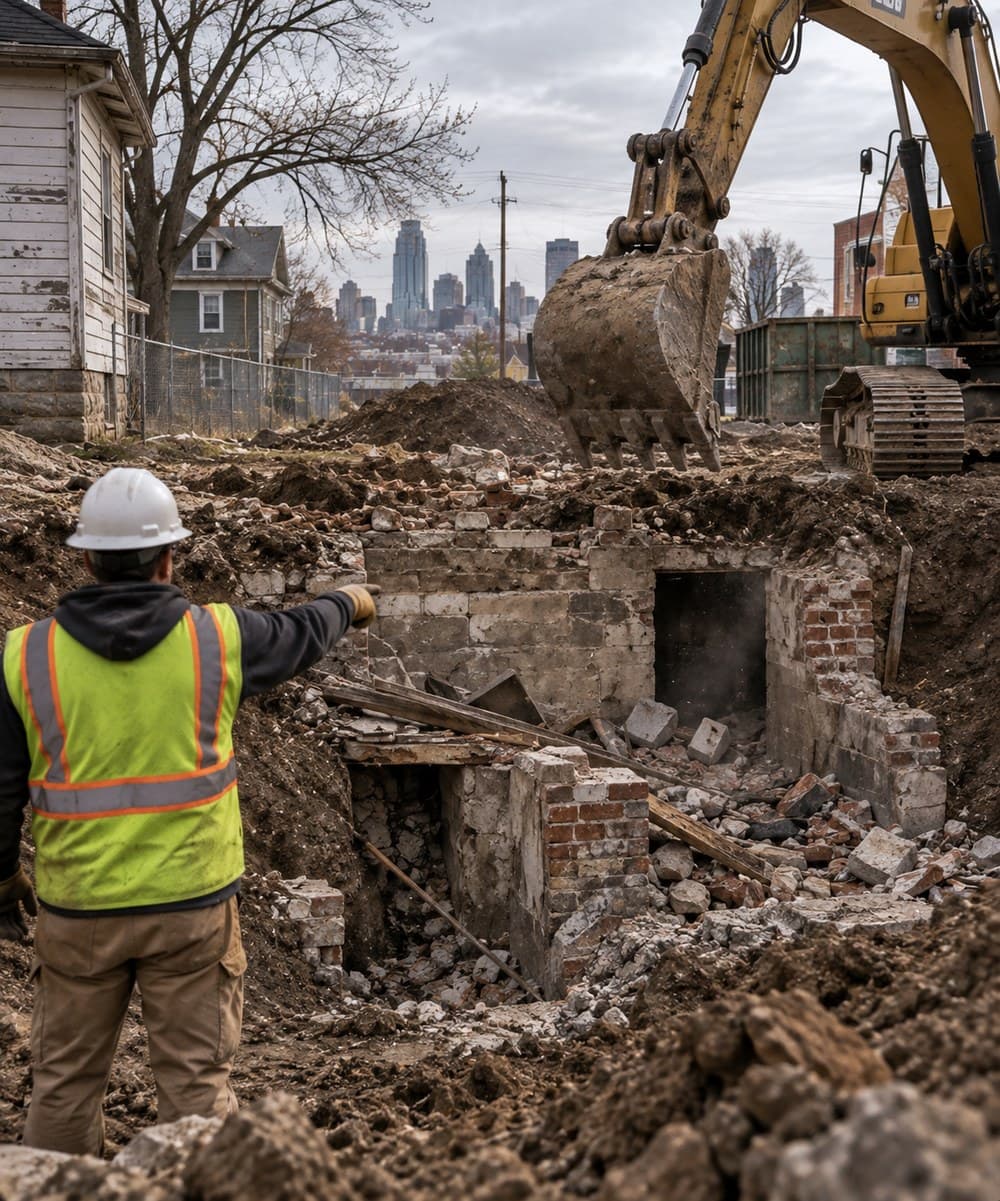
Development that bypasses community-rooted builders and organizations undermines local trust and long-term stewardship. Those collaborators need a meaningful role and the capacity to participate, so new housing strengthens the people and organizations already invested in the neighborhood.
No single organization solves all five. Fifthline Build Co. focuses on closing the construction cost and production capacity gap — but that only matters if land, entitlements, financing, and community trust are moving in parallel. That work calls for collaboration with land banks, CDFIs, city planners, and community-rooted builders. The missing middle only gets built when every link in this chain holds.